


UNITED KINGDOM
COUNTRY INFO
Germany (Listeni/ˈdʒɜːrməni/; German: Deutschland, pronounced [ˈdɔʏtʃlant]), officially the Federal Republic of Germany (German: Bundesrepublik Deutschland, About this sound listen (help·info)),[e][6] is a federal parliamentary republic in central-western Europe. It includes 16 constituent states, covers an area of 357,021 square kilometres (137,847 sq mi), and has a largely temperate seasonal climate. With about 82 million inhabitants, Germany is the most populous member state of the European Union. After the United States, it is the second most popular immigration destination in the world.[7] Germany's capital and largest metropolis is Berlin. Major urban areas include Ruhr, Hamburg, Munich, Cologne, Frankfurt and Stuttgart. Various Germanic tribes have occupied the northern parts of modern Germany since classical antiquity. A region named Germania was documented before 100 AD. During the Migration Period the Germanic tribes expanded southward. Beginning in the 10th century, German territories formed a central part of the Holy Roman Empire.[8] During the 16th century, northern German regions became the centre of the Protestant Reformation. In 1871, Germany became a nation state when most of the German states unified into the Prussian-dominated German Empire. After World War I and the German Revolution of 1918–1919, the Empire was replaced by the parliamentary Weimar Republic. The establishment of the national socialist dictatorship in 1933 led to World War II and a genocide. After a period of Allied occupation, two German states were founded: the Federal Republic of Germany and the German Democratic Republic. In 1990, the country was reunified.[9]From REVIEW
MAIN ARTIST
-
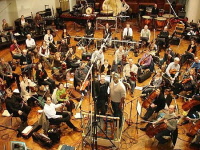
London Symphony Orchestra
-
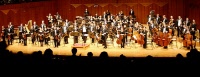
Philharmonia Orchestra
-
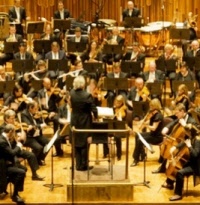
London Philharmonic Orchestra
-
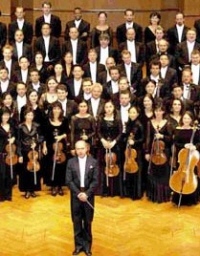
Royal Philharmonic Orchestra
-
Edward Elgar
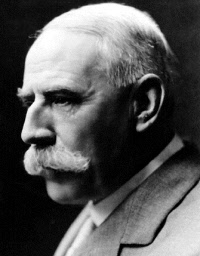
-
Benjamin Britten
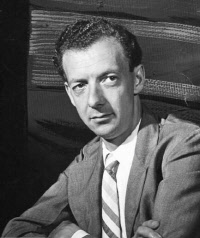
-
Henry Purcell
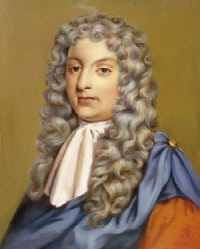
-
Ralph Vaughan Williams
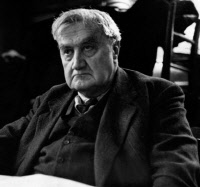
-
English Chamber Orchestra
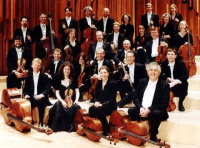
-
Academy of St. Martin-in-the-Fields
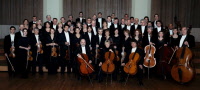
-
Neville Marriner
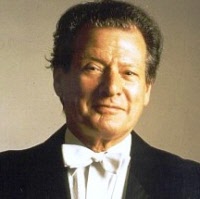
-
Gustav Holst
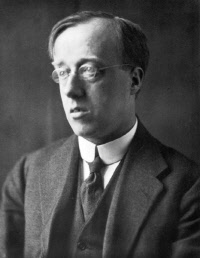
-
New Philharmonia Orchestra
-
BBC Symphony Orchestra
-
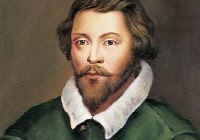
William Byrd
-
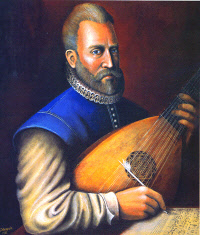
John Dowland
-
William Walton
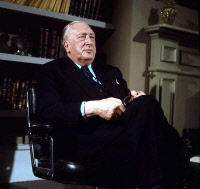
-
Colin Davis
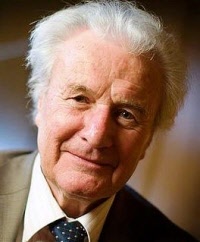
-
John Barbirolli
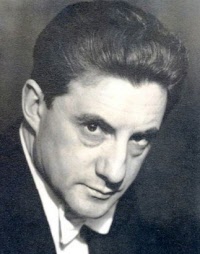
-
Thomas Beecham
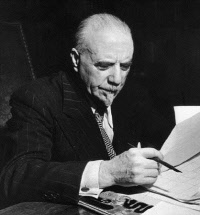
-
Adrian Boult
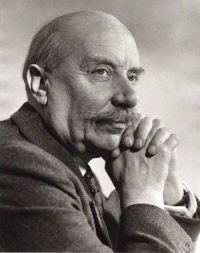
-
English Anonymous

-
Royal Opera House Covent Garden Orchestra
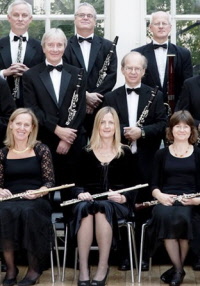
-
Andrew Lloyd Webber
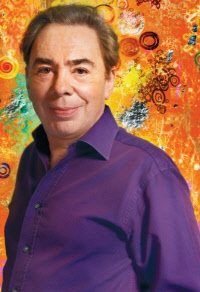
-
Hallé Orchestra
-
Herbert Howells
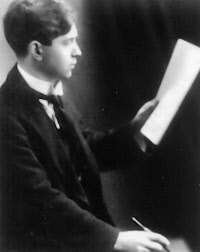
-
Malcolm Sargent
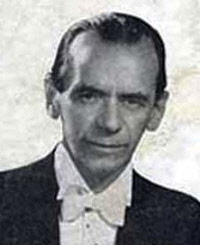
-
Arthur Sullivan
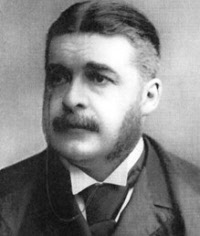
-
Hubert Parry
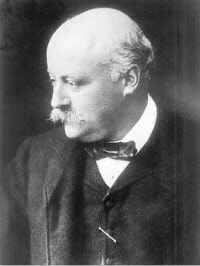
-
John Eliot Gardiner
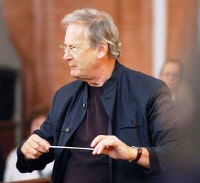
-
Frederick Delius
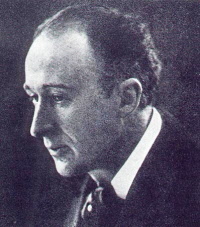
-
John Rutter
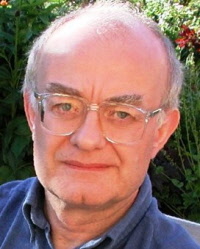
-
Richard Hickox
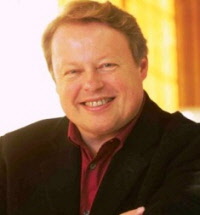
-
Royal Liverpool Philharmonic Orchestra
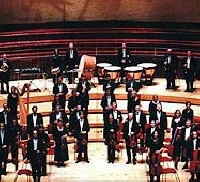
-
Simon Rattle
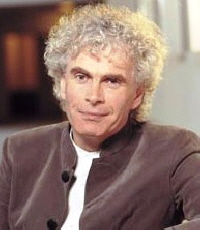
-
Gerald Moore
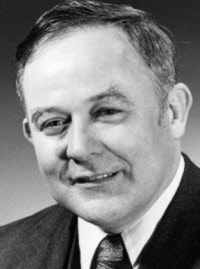
-
Thomas Tallis
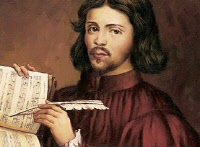
-
Jeremiah Clarke
-
City of Birmingham Symphony Orchestra
-
London Symphony Chorus
-
King's College Choir of Cambridge
-
John Tavener
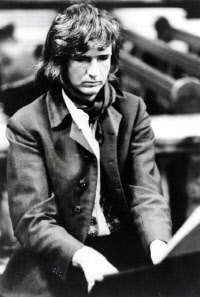
-
Bournemouth Symphony Orchestra
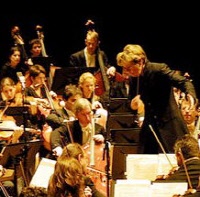
-
Andrew Davis
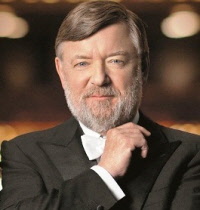
-
Royal Scottish National Orchestra

-
Scottish Chamber Orchestra
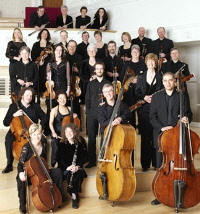
-
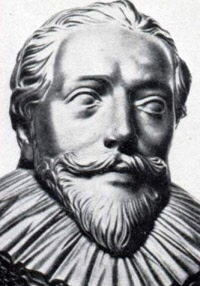
Orlando Gibbons
-
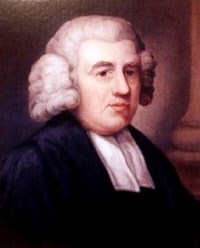
John Newton
-
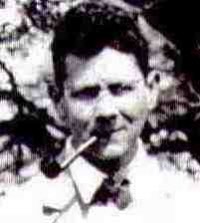
Gerald Finzi
-
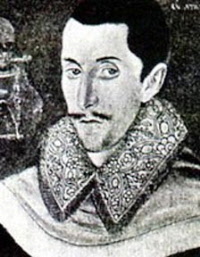
Thomas Morley
-
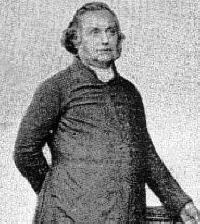
Henry John Gauntlett
-
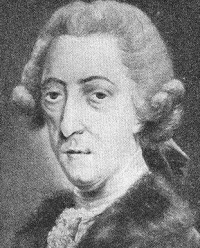
Thomas Arne
-
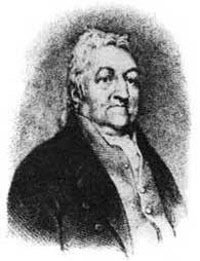
John Stafford Smith
-
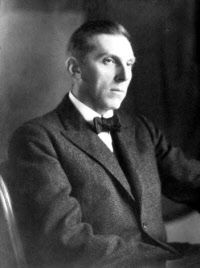
Roger Quilter
-
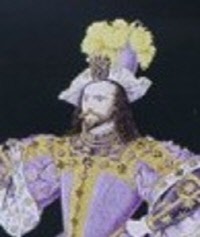
Antony Holborne
-
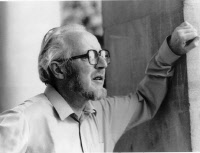
Kenneth Leighton
-
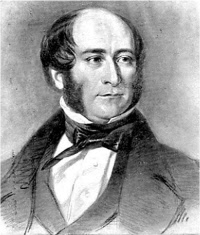
Samuel Sebastian Wesley
-
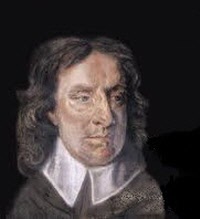
Thomas Tomkins
-
John Stanley
-
William Boyce
-
Thomas Weelkes
-
William Henry Monk
-
John Blow
-
Robert Johnson
-
Peter Philips
-
Matthew Locke
-
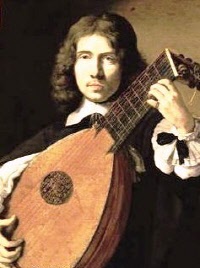
Thomas Campion
-
William Croft
-
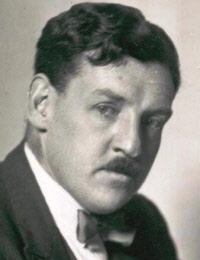
Gordon Jacob
-
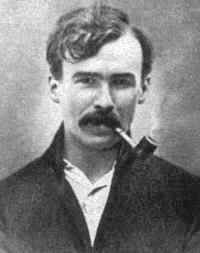
George Butterworth
HIGHLIGT OF WORKS
COUNTRY SHOUTS