


Franz Schubert (프란츠 슈베르트)
Symphony No. 4 in C minor "Tragic", D. 417
100
10,000
1,400
WORK INFO
작곡가: Franz Schubert (프란츠 슈베르트)작곡년도: 1816평균연주: 30:28악장1Adagio molto - Allegro vivace8:582Andante8:153Menuetto. Allegro vivace - Trio3:184Allegro8:59The Symphony No. 4 in C minor, D. 417, commonly called the Tragic (), was composed by Franz Schubert in April 1816. It was completed one year after the Third Symphony, when Schubert was 19 years old. However, the work was premiered only on November 19, 1849, in Leipzig, more than two decades after Schubert's death. The title Tragic is Schubert's own. It was added to the autograph manuscript some time after the work was completed. It is not known exactly why he added the title, but the work is one of only two symphonies (the Unfinished Symphony is the other) which Schubert wrote in a minor key. The symphony is scored for 2 flutes, 2 oboes, 2 clarinets in B-flat, 2 bassoons, 4 horns in A-flat, C and E-flat, 2 trumpets in C and E-flat, timpani and strings. The symphony has four movements; a performance lasts around 30 minutes.The slow introduction is modeled after Haydn's The Representation of Chaos overture to The Creation oratorio. The opening theme of the Allegro of the first movement derives from the opening theme of Ludwig van Beethoven's String Quartet, Op. 18 No. 4 in the same key. The slow movement is in A-B-A-B-A form which would be a favorite form for most of Schubert's remaining symphonic slow movements (the Unfinished being the only exception). The themes in the B section are not new. They are developed from the Allegro theme of the first movement and the themes of the A section. The second appearance of B, the third return of A and the beginning of the coda have a sixteenth-note ostinato accompaniment added to help bring cohesiveness to the sections. This was a device that Beethoven had previously used in the slow movements of his Op. 18 No. 1 quartet and his Pathetique sonata.
- Adagio molto – Allegro vivace
- Andante in A flat major
- Menuetto. Allegro vivace – Trio in E flat major
- Allegro
Notes
- ^ Brown, A. Peter, The Symphonic Repertoire (Volume 2). Indiana University Press (ISBN 025333487X), pp. 598-603 (2002).
- ^ Newbould, Brian, Schubert and the Symphony: A New Perspective, p. 86-109, Toccata Press (1992) ISBN 978-0-907689-27-0
From WIKIPEDIA
RELEASED ALBUMS
-
Schubert: Complete SymphoniesNovember 1, 2024
-
Wiener Philharmoniker: SchubertAugust 4, 2023
-
Schubert: Symphonies, Vol. 3 - Nos 1 and 4 'Tragic'; Overture to FierrabrasApril 14, 2023
-
Eduard van Beinum: Complete Recordings on Decca & PhilipsJanuary 6, 2023
-
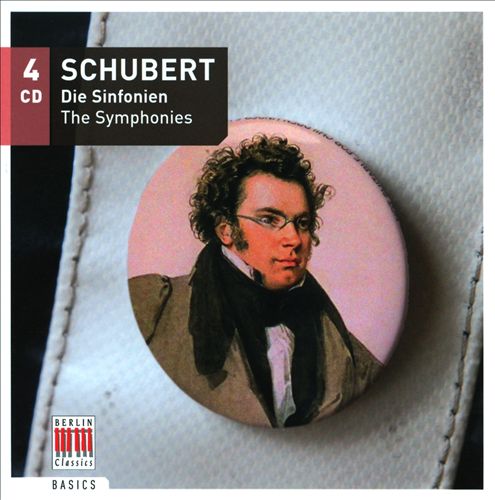
Schubert: The SymphoniesAugust 5, 2022
-
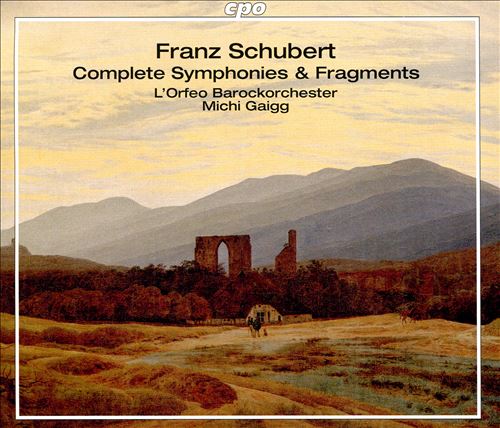
Franz Schubert: Complete Symphonies & FragmentNovember 19, 2021
-
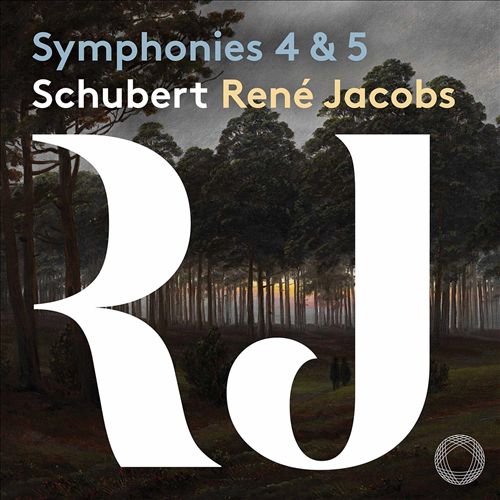
Schubert: Symphonies 4 & 5August 27, 2021
-
Schubert: The SymphoniesNovember 6, 2020
-
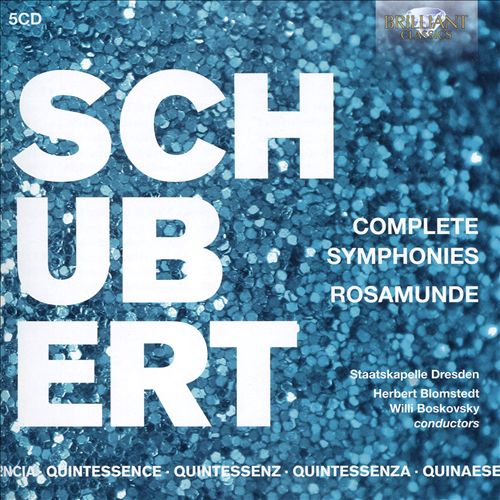
Schubert: Complete Symphonies; RosamundeNovember 1, 2019
-
Autobahn Classics: Classical Music Remastered for a Noisy Environment, Vol. 8May 11, 2018
-
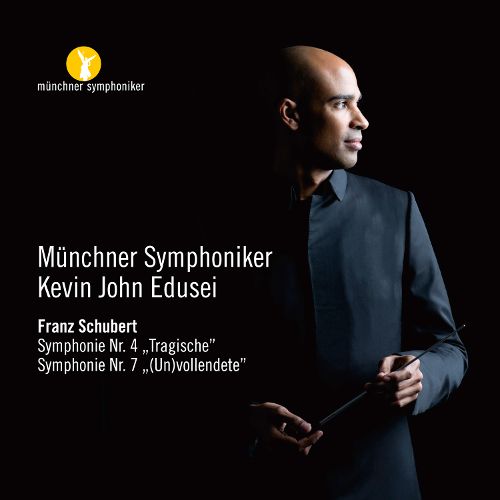
Schubert: Symphonie Nr. 4 "Tragische"; Symphonie Nr. 7 "(Un)vollendete"November 17, 2017
-
Franz Schubert: Symphonies 1-8September 22, 2017
-
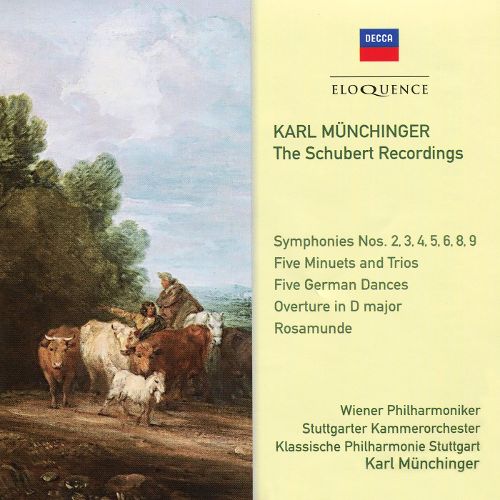
Karl Münchinger: The Schubert RecordingsMay 19, 2017
-
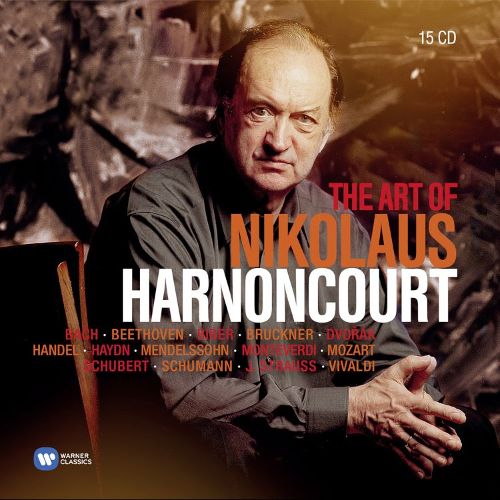
The Art of HarnoncourtOctober 28, 2016
-
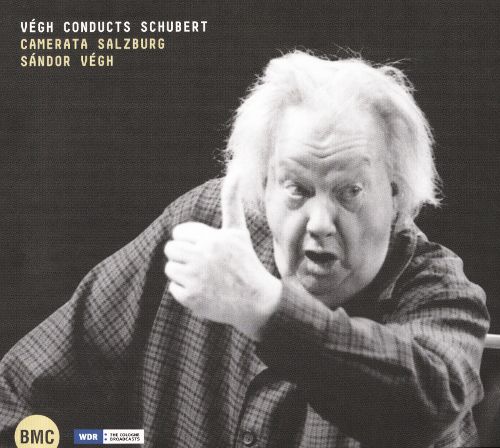
Végh Conducts SchubertJuly 1, 2016
-
Discover Symphonic MusicMay 27, 2016
-
Schubert: The Edition 1 - Orchestral, Chamber, PianoFebruary 12, 2016
-
Schubert: The Complete Symphonic Works2016
-
Franz Schubert: Symphonies Nos. 1, 3 & 4December 18, 2015
-
20 Basics: SchubertMarch 27, 2015
-
Lorin Maazel: The Complete Early Recordings on Deutsche GrammophonFebruary 17, 2015
-
Schubert: The SymphoniesJanuary 13, 2015
-
The Complete HMV RecordingsOctober 14, 2014
-
Franz Schubert: Wanderer Fantasie; Symphony No. 4 TragicSeptember 30, 2014
-
Carlo Maria Giulini: The Complete Sony RecordingsApril 22, 2014
-
Sir Colin Davis: The Complete RCA LegacyFebruary 24, 2014
-
Classical Music For Your Star Sign: AquariusJanuary 21, 2014
-
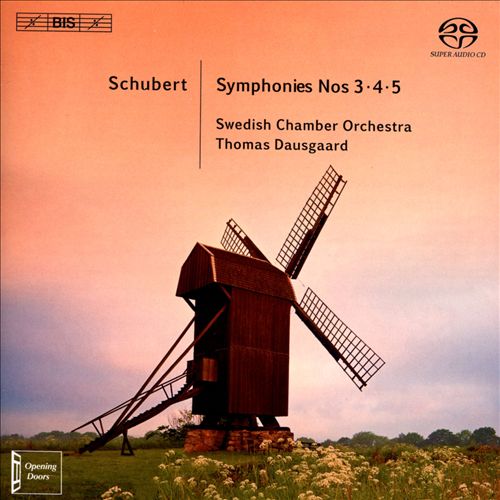
Schubert: Symphonies Nos. 3-5January, 2014
-
Schubert: The SymphoniesSeptember 9, 2013
-
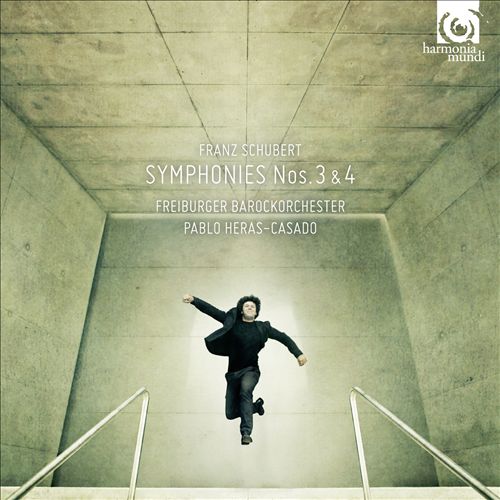
Schubert: Symphonies Nos. 3 & 4June, 2013



FEATURED MOVIES
-
 1:37:52슈베르트: 교향곡 4번 C단조 "비극" D. 41714 aprile 1997
ALBUM MUSIC
WORKS SHOUTS